Noise is one of the most common reasons a licensed venue ends up in dispute with its neighbours, its local council or the regulator. A pub, bar, club or function venue can meet every fire, health and building requirement and still run into trouble if the music, the beer garden or the kitchen exhaust fan is audible in the wrong place at the wrong time.
Increasingly, an acoustic report is expected — sometimes required — as part of getting a new liquor licence, extending trading hours, or gaining development approval for a licensed premises in Queensland. This guide explains why, when you'll need one, what it involves, and how venues are typically designed and managed to stay on the right side of both the regulator and the neighbours.
Why acoustic testing matters for a liquor licence
Noise around a licensed venue is really governed by three overlapping regimes, and it pays to understand which one you're dealing with:
Liquor licensing conditions. The Office of Liquor and Gaming Regulation (OLGR) administers the Liquor Act 1992 (Qld). Licence conditions can directly control trading hours, the use of outdoor and undercover areas, amplified entertainment, and sometimes require a sound limiter or an acoustic consultant's sign-off before a venue can open or extend its hours.
Planning and development approval. Local councils assess licensed premises — pubs, clubs, function centres, small bars — against their planning scheme. Where a venue sits in or near a residential area, the scheme will often require an acoustic report to accompany the development application, addressing predicted noise at nearby dwellings.
General environmental nuisance law. Separately from any licence or approval, the Environmental Protection Act 1994 (Qld) and the Environmental Protection (Noise) Policy set out what counts as unreasonable noise nuisance, and councils can act on it — including issuing an environmental nuisance or noise abatement notice — regardless of what a venue's licence says.
A venue can be fully compliant with its liquor licence and still receive a council notice over noise, so a good acoustic assessment is usually written with all three in mind, not just the licensing application.
When you'll need an acoustic report
- A new licence application for a venue in, or close to, a residential area
- Extended trading hours, a change to a high-risk venue category, or a Community Impact Statement that touches on amenity
- A development application for a new or altered licensed premises under the local planning scheme
- Expanding or altering an outdoor area — a beer garden, smoking area or alfresco dining space — that changes where noise can escape to
- Removing or varying existing noise conditions on a licence
- Responding to a complaint or noise abatement notice from council, where a report is needed to demonstrate what's happening and what will fix it
If you're unsure whether your situation needs one, it's worth asking early — both OLGR and the relevant council can usually confirm what they'll expect to see with an application.
Step 1: Confirm what's actually required
Requirements vary by licence type, venue category and council, so the first step is establishing exactly what's needed before any measurement or modelling starts. Check the liquor licensing conditions or guidance relevant to your application, and check the local planning scheme for any specific code covering licensed premises, hotels or entertainment venues — councils sometimes set their own noise criteria or reporting format. Getting this confirmed early avoids paying for an assessment that answers the wrong question.
Step 2: Measure the existing background noise
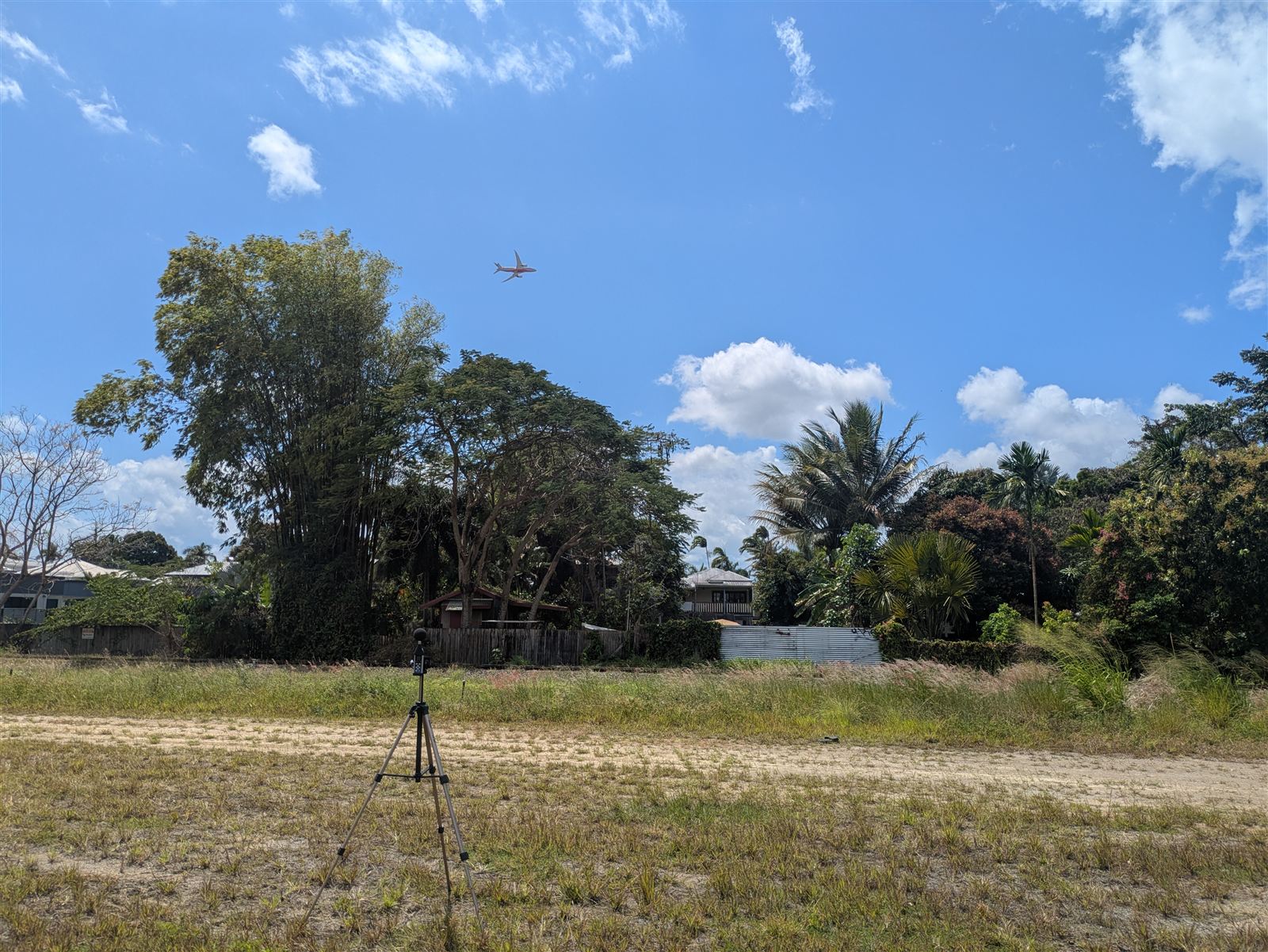
An acoustic consultant will typically install unattended noise loggers at, or representative of, the nearest noise-sensitive receivers — usually nearby homes, but sometimes other businesses, motels or short-term accommodation. Measurements are usually taken over a representative period, including a normal weekday and a weekend, following the methodology in AS 1055 Acoustics — Description and measurement of environmental noise. This establishes the existing background noise level for day, evening and night periods, which becomes the benchmark the venue's noise is assessed against.
Step 3: Predict the venue's noise
With the background established, the consultant predicts how much noise the venue will actually generate at those same receiver locations, covering:
- Amplified music — breakout through walls, roofs, windows and doors, and noise from any outdoor speakers
- Patron noise — conversation, queuing, smoking areas and venue dispersal, particularly late at night
- Mechanical plant — kitchen exhaust fans, air conditioning condensers, coolroom compressors and similar fixed equipment
- Deliveries and waste collection, where these occur outside normal daytime hours
These predicted levels are then compared against the measured background, any specific limits already set in a licence or development condition, and general nuisance principles. Because Queensland doesn't have one single statewide numeric criterion for entertainment noise the way some other states do, the assessment method and the resulting limits are often shaped by council and licence-specific conditions as much as by the underlying acoustics — which is another reason to confirm requirements with the regulator before finalising a report.
Step 4: Design and manage the noise sources
Once the predicted noise is understood, the report sets out what's needed to bring it within acceptable limits — and in Queensland's hospitality scene, a lot of this comes down to reconciling open, tropical-style venue design with noise containment.
Bass is usually the hardest problem. Low-frequency noise from amplified music travels furthest and is the most difficult to attenuate through lightweight construction, and it's consistently the noise complaint acousticians hear about most. Options include limiting where subwoofers are placed, managing system tuning, and, where needed, adding mass to walls and roofs facing sensitive receivers.
Doors and openings need discipline, not just glazing. Acoustic doors and lobbies only work while they're closed — a propped-open fire door or a servery hatch left open on a busy night can undo the rest of the treatment. Self-closing doors and simple venue procedures matter as much as the construction.
Outdoor and undercover areas are the trickiest part. Beer gardens, alfresco dining and open-sided function spaces are central to Queensland hospitality, but they can't be acoustically treated the way an indoor room can. Typical measures include screening or bunding toward the nearest receivers, restricting amplified music outdoors (or cutting it off after a set time), and rostering staff to manage patron noise in these areas during the evening.
Mechanical plant is easy to overlook. Kitchen exhaust fans and condenser units often run for longer hours than the venue trades, and a plant enclosure, silencer or simply relocating the unit can be the difference between a compliant venue and a 2am noise complaint about the coolroom.
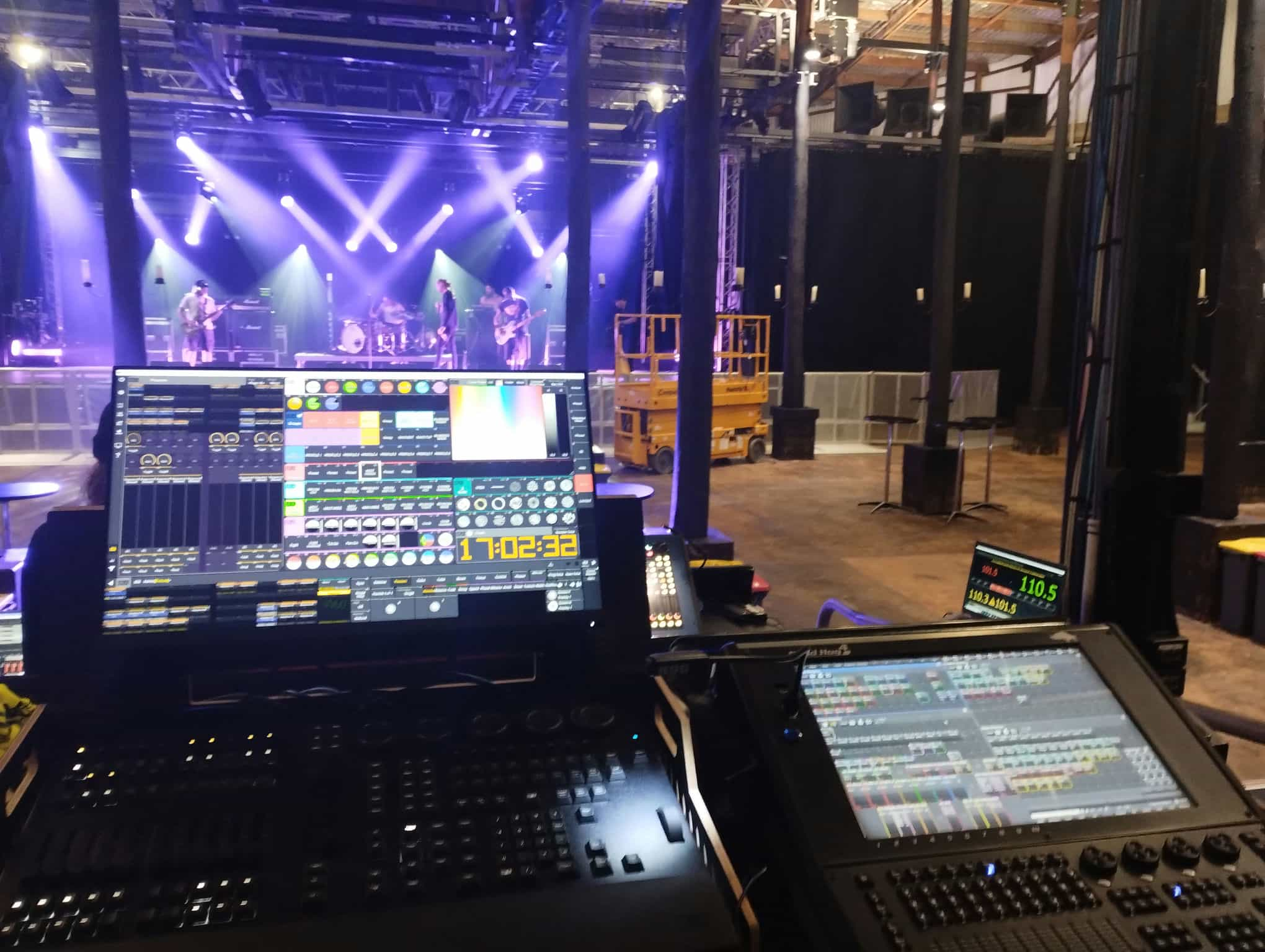
Noise limiters tie it all together. For venues with amplified entertainment, a calibrated and sealed noise limiter on the sound system — set and certified by the acoustic consultant — is a common condition, giving the venue an enforceable, auditable way to demonstrate the system isn't being run above the level the report was based on.
Step 5: Conditions, certification and ongoing compliance
Council and OLGR will typically translate the report's recommendations into specific conditions — a maximum noise level at the nearest receiver, capped hours for outdoor trading or amplified music, a certified noise limiter, or a requirement for post-fit-out verification measurements before the venue can operate at full capacity. Keep the acoustic report, any noise limiter calibration certificates and complaint records on file — they're usually the first thing requested if a complaint is raised later, and having them ready is far easier than reconstructing compliance after the fact.
The bottom line
An acoustic assessment for a Queensland liquor licence isn't just a box to tick — it's genuinely useful evidence for negotiating trading hours, outdoor areas and entertainment conditions you can actually live with, and it protects the venue from noise complaints once it's operating. Confirm what your licence application, development approval or council actually requires before you start, get the background noise measured properly, and build the acoustic treatment and management plan around the venue's real layout — bass, doors and outdoor areas first. Done well, it lets a venue stay lively inside and quiet next door.
Further reading
- Office of Liquor and Gaming Regulation — Liquor Act 1992 licensing guidance
- Queensland Government — Environmental Protection Act 1994 and Environmental Protection (Noise) Policy
- Your local council's planning scheme — licensed premises, hotel and entertainment venue provisions
- Standards Australia — AS 1055 Acoustics — Description and measurement of environmental noise
- Association of Australian Acoustical Consultants (AAAC)
This article provides general information only and does not constitute legal, planning or engineering advice. Liquor licensing and noise requirements vary between venue types, councils and applications, and change over time. Always confirm current requirements with the Office of Liquor and Gaming Regulation, your local council, and a qualified acoustic consultant before proceeding with a licence application.